Ransomware
Data Recovery
Files encrypted and a ransom note on the screen? Do not pay. We recover data from ransomware-hit NAS devices, servers, and drives in our British Columbia lab.
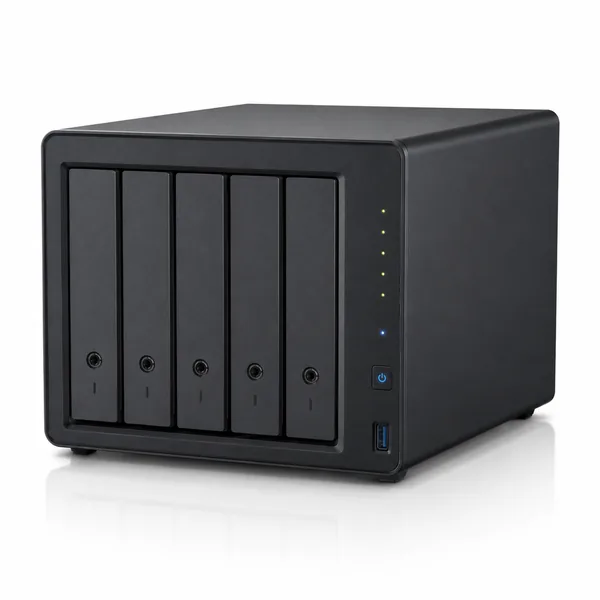
We Recover Ransomware-Encrypted Data From Every System
From a QNAP NAS hit overnight to an encrypted office server, our BC lab assesses the damage, recovers what is recoverable, and never advises paying the ransom.
NAS & Business Servers
QNAP, Synology, and office servers hit by attacks.

Workstations & Laptops
Encrypted business and personal computers.
External & Internal Drives
Encrypted hard drives and attached backups.

SSDs & Flash Storage
Encrypted solid-state drives and USB media.
How Ransomware Works and What Your Options Are
Ransomware encrypts your files and demands cryptocurrency for the key. Paying is never the answer: it funds the criminals, and there is no guarantee they will actually return your data. Here is how attacks happen, and what real recovery looks like.
Phishing & Spoofed Emails
How it happens: An email that looks like an invoice, a courier notice, or a message from a colleague, carrying a malicious link or attachment.
What it means: This is still the most common entry point. One click can hand an attacker access to a workstation, and from there to shared drives and backups. Part of our work is identifying the entry point so the same door is not left open after recovery.
Exposed NAS & Remote Access
How it happens: A NAS device or remote desktop reachable from the internet gets hit through a vulnerability or weak credentials, often overnight. QNAP and Synology owners know these campaigns well.
What it means: Network storage attacks encrypt entire company archives at once. We have recovered multi-terabyte NAS cases, including QNAP attack victims with nearly 8 TB of critical business data returned in full.
Malicious Sites & Downloads
How it happens: Compromised websites, fake software updates, and cracked-software downloads that quietly install the payload.
What it means: The infection may sit dormant, then encrypt everything in one pass, including any backup drive that was connected at the time. That is why we always assess attached and network backups as part of the recovery, not just the main system.
The Encryption & the Ransom Note
How it happens: Files get new extensions, folders fill with ransom notes, and a demand for cryptocurrency payment appears with a deadline.
What it means: The deadline is a pressure tactic. Do not pay and do not negotiate on your own. Powering the system down and getting a professional assessment preserves every recovery option you have, including some the attackers do not want you to know about.
Known-Ransomware Decryption
When it applies: The attack used a ransomware family with known weaknesses or published keys, such as older Dharma, Cryptolocker, SOS, or GandCrab variants.
What it means: For many known families, decryption tools exist and we can unlock your files directly, leaving the criminals with no leverage. Identifying the exact variant is the first step of our free assessment, and it is why you should never wipe the system before an expert sees it.
Backup, Shadow Copy & Raw Recovery
When it applies: The encryption cannot be broken, but the attackers rarely encrypt everything perfectly.
What it means: We recover from overlooked sources: volume shadow copies, deleted originals still on disk, partially encrypted files, disconnected backups, and prior file versions. In many cases a large portion of the data comes back this way even when the ransomware itself is unbreakable.
Forensic Entry-Point Analysis
When it applies: Businesses that need to know how the attacker got in, what was touched, and how to prevent a repeat.
What it means: Alongside recovery, our digital forensics capability reconstructs the attack: the entry point, the timeline, and what data was accessed. That evidence supports insurance claims, reporting obligations, and closing the hole before you restore operations.
Common Ransomware Cases We Solve
- QNAP or Synology NAS encrypted overnight
- Office server or RAID hit by an attack
- Workstation files renamed with a ransom note
- Backup drive encrypted along with the system
- Business needs proof of how the attacker got in
- Partial encryption caught mid-attack
Why Ransomware Recovery Needs a Specialist
Every ransomware case starts with identifying the exact variant, because that decides everything: some families have known decryption tools, others require recovery from shadow copies, deleted originals, and partially encrypted data at the raw disk level. Running consumer recovery software or reinstalling the system destroys those options. Our lab combines data recovery with digital forensics, so alongside your files you get an answer to the question every business needs: how they got in, and how to keep them out.
Talk to a Specialist →Why Choose TeraDrive?
Canadian Laboratory
Secure cleanroom environment in British Columbia for trusted, careful handling.
No Data, No Fee
You only pay if we successfully recover your data.
Certified Specialists
Certified specialists in ransomware variant identification, decryption, raw-level recovery, and digital forensics.
Secure & Confidential
Your data is handled with the highest level of security and privacy.
Thousands of Success Stories
Trusted by individuals and businesses across Canada.
Our Simple 5-Step Recovery Process
From first contact to recovered files, here is how it works.
Contact Us
Talk with a recovery advisor and get a free quote.
Drop Off or Ship
Bring it to a BC location or ship it to our lab.
Free Evaluation
Our specialists perform a no-cost evaluation.
Approve Recovery
We recover your data only once you give the OK.
Get Your Data Back
Securely returned via download or on a drive.
Business Hit by Ransomware?
Get a confidential assessment before you make any decisions.
- Free consultation, no obligation
- NAS, server, and multi-terabyte cases welcome
- No data, no fee: you pay only for results
Need to Talk to an Expert?
Our recovery specialists are here to help.
Trusted by Thousands Across Canada
Ransomware & Cybersecurity Resources
Helpful guides on ransomware, cyber threats, and keeping your backups attack-proof.
Using Digital Evidence to Track Cyber Attacks
Read article CybersecurityCommon Cybersecurity Threats and How to Avoid Them
Read article PreventionCyber Threats and Vulnerability Assessments Explained
Read article BackupsHow to Back Up Your Data Securely
Read article Warning SignsDoes Your Computer Have a Virus? Warning Signs
Read article Expert AdviceWhen DIY Data Recovery Makes Things Worse
Read articleRansomware Data Recovery Across British Columbia and Canada
TeraDrive provides ransomware data recovery for businesses and individuals across BC and Canada, with drop-off locations in Vancouver and Burnaby and our main lab in Langley. From QNAP and Synology NAS attacks to encrypted office servers and workstations, we identify the ransomware variant, apply known decryption tools where they exist, and recover data from shadow copies, deleted originals, and partially encrypted volumes when they do not. Our advice never changes: do not pay the ransom. The consultation is free and confidential, you approve a clear quote before any work begins, and you only pay if we recover your data. Ship your device from anywhere in Canada with a prepaid Canada Post waybill, or book a paid courier pickup.